
- November 29, 2025
- The Post Desk
- 12:34 pm
- No Comments
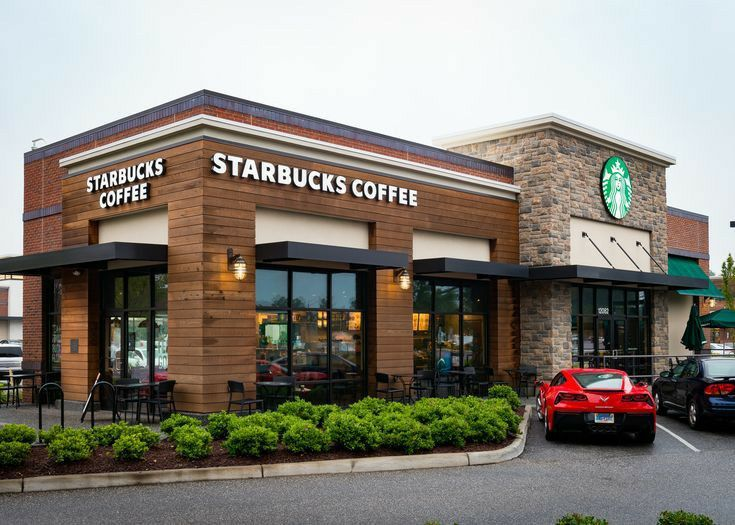
Starbucks remains one of the most dominant and culturally relevant brands in the world. Its ability to continuously sustain customer loyalty, drive repeat purchases, and maintain brand desirability—despite intense category competition and macroeconomic volatility—has long been a strategic advantage. However, the last 12 months (late 2024 through 2025) signaled significant structural change in Starbucks’ marketing approach. While the brand continues to rely heavily on loyalty and digital engagement, recent results reveal both effective and emerging challenges in traffic growth, customer acquisition cost, and brand perception.
Performance Overview
| Key Marketing Outcome (2025) | Result |
|---|---|
|
Total revenue growth |
+2.8% YoY |
|
Marketing-influenced revenue |
~$13.0B (estimated), +6% YoY |
|
LTV:CAC ratio |
~8.2:1 |
|
Blended CAC |
~$62, slightly up YoY |
|
Website monthly traffic |
23.3M (+20% MoM during seasonal period) |
|
Web bounce rate |
54% (area for improvement) |
|
PPC ROAS |
~4.2x |
|
Social engagement rate |
~2.8% average; 5–7% seasonal spikes |
|
Email CTR |
~5.2%; conversion ~8.5% |
|
New MQL to SQL conversion rate |
~40% |
- Three outcomes stand out:
- Loyalty and digital CRM are the primary drivers of marketing-influenced revenue.
- Customer acquisition has become more expensive without heavy discounting.
- Traffic softness exposed dependence on existing customers rather than incremental segments.
This backdrop frames the remainder of the analysis.
Starbucks’ Core Marketing Strategies (2024–2025)
1. “Back to Starbucks” Brand Repositioning
2. Loyalty Expansion and Personalization at Scale
3. Seasonal “Cultural Moments” Marketing
4. Global Brand Partnerships
Channel Performance: KPIs and Quantitative Analysis
1. Website Performance
Starbucks’ website saw heavy seasonal traffic, with approximately 23.3 million visits per month at peak periods. Average session duration exceeded five minutes, reflecting deep product research and menu exploration. However, the 54% bounce rate signals a disconnect between user intent and landing-page optimization, especially among non-app users.
| Website Metric | Value (Est.) |
|---|---|
|
Monthly visitors |
23.3M (approx) |
|
Bounce rate |
54% |
|
Conversion rate |
6.1–6.5% |
|
Avg. session duration |
5:14 minutes |
Interpretation: High engagement is present, yet too many users leave without completing an action. The web journey is functional but not fully optimized for driving app adoption or conversions.
2. Paid Ads (PPC)
| PPC KPI | Est. Value |
|---|---|
|
CTR (Search) |
4.1% |
|
CTR (Display/Social) |
0.9% |
|
Avg. CPC |
$1.60–$1.85 |
|
Conversion rate |
6.4% |
|
ROAS |
4.2x |
|
CAC via PPC |
~$55 |
3. Organic Search (SEO)
| SEO KPI | Est. Value |
|---|---|
|
Organic share of traffic |
~32% |
|
Monthly organic visits |
~4.6M |
|
Organic conversion rate |
~5.8% |
|
CAC (SEO-driven) |
~$24 |
Interpretation: SEO represents an under-leveraged competitive advantage. Starbucks’ brand affinity and frequent product launches organically generate high-intent search volume that keeps CAC low.
4. Social Media
Starbucks’ social presence remains strong, though follower growth is slowing as the brand nears market saturation. Engagement proves highly sensitive to trend-driven and seasonal campaigns.
| Social KPI | Est. Value |
|---|---|
|
Follower growth |
+9–11% YoY |
|
Avg. engagement rate |
2.8% |
|
Engagement in seasonal drops |
5–7% |
|
Social-attributed CAC |
~$38 |
5. Email & CRM
| Email & CRM KPI | Est. Value |
|---|---|
|
CRM audience size |
110–120M profiles |
|
Open rate |
~36% |
|
CTR |
~5.2% |
|
Conversion from click |
~8.5% |
|
CAC via CRM |
$10–$15 |
6. Lead Generation (MQL / SQL Funnel)
| Lead Metric | Est. Value |
|---|---|
|
New MQLs (annual) |
~24M |
|
New SQLs |
~9.5M |
|
MQL→SQL conversion |
~40% |
|
SQL cohort year-one revenue |
~$4.0–4.5B |
Key Strategic Insights and Learnings
1. What’s Working Extremely Well
- The loyalty ecosystem is the primary driver of incremental revenue and profitability.
- Personalized CRM generates predictable and measurable revenue uplift.
- Seasonal product drops convert cultural buzz into digital and in-store transactions.
- Organic search performance lowers acquisition costs while supporting paid efficiency.
- The brand maintains category-leading awareness and emotional relevance.
2. Where Starbucks Is Currently Vulnerable
- Early 2025 performance illustrated that traffic is not guaranteed; loyalty cannot fully offset declining store visits.
- Reducing promotions increased short-term CAC, especially for paid channels.
- The website experience is still under-optimized for conversion, especially among new or disengaged customers.
- Public response to changes in policies, pricing, and store closures has affected brand warmth among value-sensitive customers.
3. Strategic Risk Going Forward
Actionable Recommendations for Future Growth
1. Grow Loyalty ARPU, Not Just Membership Counts
Expected outcome: +5–8% annual revenue per active Rewards member.
2. Reduce PPC Acquisition Costs via Precision Targeting
Expected outcome: Lower PPC CAC from ~$55 to ~$45 without discount-driven messaging.
3. Transform Starbucks.com Into a Revenue Engine
Expected outcome: +1–2 ppt lift in conversion and improved traffic monetization.
4. Rebalance Brand Storytelling to Highlight Quality and Value
Expected outcome: Higher perceived value without margin erosion.
5. Institutionalize MMM + Experimentation
Expected outcome: Higher ROI across channels and a clear C-suite case for marketing investments.
Conclusion
Looking ahead, the most sustainable growth strategy for Starbucks is one that monetizes loyalty more deeply while lowering incremental acquisition costs. Success will depend on balancing premium brand positioning with attainable value, optimizing conversion across digital properties, and measuring marketing ROI with greater rigor.
If executed effectively, Starbucks can transition from a loyalty-driven marketing organization to a full-scale customer-lifetime-value enterprise, protecting profitability while reigniting traffic growth in an increasingly competitive landscape.Get free tips and resources right in your inbox, along with 10,000+ others
Latest Post
-
 Apple’s Marketing Strategy Analysis (Last 12 Months): KPIs, ROI, CAC, LTV & Channel Performance
 -
Starbucks Marketing Strategy Analysis 2024–2025: KPIs, Revenue Impact, and Channel Performance
-
 Microsoft’s Marketing Strategy in 2024–2025: A Data-Driven Analysis of Performance, KPIs, and Growth Impact
 -
 KitKat 2024–25 Marketing Strategy — Break Culture, Campaigns & Growth Analysis
 -
 What is Digital Marketing and Why It Matters Today
